
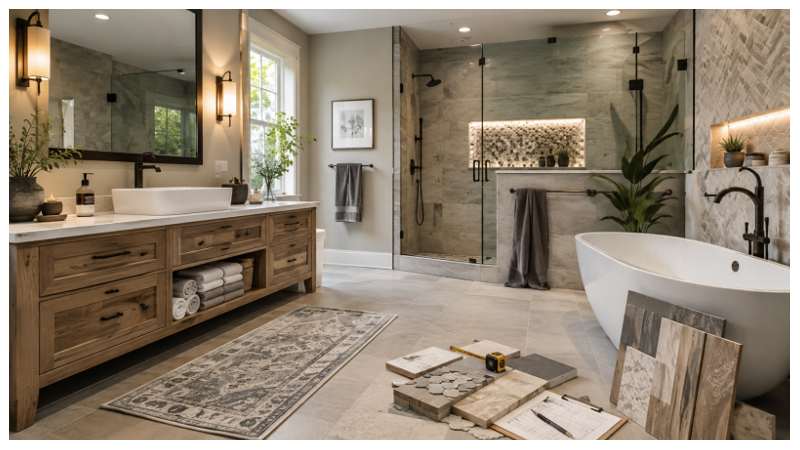
Bathroom renovation costs can range from a relatively small refresh to a major transformation involving new plumbing, electrical work, flooring, fixtures, and structural changes. There is no single price that applies to every project because the final budget depends heavily on the room’s size, existing condition, materials, labor, and design choices.
A simple cosmetic update might involve painting, replacing hardware, upgrading lighting, or installing a new vanity. A complete renovation can involve stripping the room back to its structure and rebuilding almost every element.
Why Bathroom Renovation Costs Vary
Two bathrooms with similar dimensions can have very different renovation costs. One may need only new finishes, while another could have hidden water damage, outdated plumbing, poor ventilation, or an inefficient layout.
The biggest differences usually come from the amount of work involved rather than the size of the room alone.
Main Factors That Influence the Total Budget
Important cost factors include:
- Bathroom size
- Existing plumbing condition
- Whether the layout changes
- Fixture quality
- Flooring and wall materials
- Electrical requirements
- Labor rates
- Accessibility
- Permits where required
- Unexpected repairs
Planning Your Renovation Before Spending
Before buying materials, determine what needs to change and what can remain. Create a list of essential repairs, functional improvements, and cosmetic upgrades.
This makes it easier to establish priorities and prevents money from being spent on attractive features while important problems remain unresolved.
Average Bathroom Renovation Cost
There is no universal average bathroom renovation price because costs vary significantly by country, city, property condition, room size, and project specification. Instead of relying on one headline figure, homeowners should compare their project against several renovation levels.
Typical Renovation Price Ranges
A basic renovation generally focuses on affordable fixtures and cosmetic improvements. A mid-range project may include better finishes, upgraded storage, new flooring, and selected plumbing or electrical work.
A high-end renovation can include custom cabinetry, premium surfaces, luxury fixtures, advanced lighting, walk-in showers, and extensive layout changes.
Small, Medium, and Large Bathroom Budgets
Small bathrooms can cost less in materials because there is less floor and wall area, but labor does not necessarily fall proportionally. Plumbing, electrical work, waterproofing, and installation still require skilled work.
Larger bathrooms require more flooring, wall finishes, fixtures, lighting, and potentially more labor. However, size alone should not determine the budget.
Basic, Mid-Range, and Luxury Renovations
Think of your budget in terms of specification rather than simply room size:
Basic: practical fixtures, affordable finishes, minimal layout changes.
Mid-range: improved materials, modern fixtures, better storage, upgraded lighting, and more detailed finishes.
Luxury: custom elements, premium materials, sophisticated lighting, specialized fixtures, and extensive design work.
Understanding Cost Per Square Foot
Cost per square foot can provide a rough comparison, but it should not be treated as an exact quote. Bathrooms contain expensive systems within a relatively small footprint, so a tiny room can still require significant investment.
Factors That Affect Bathroom Renovation Costs
Bathroom Size and Layout
The room’s dimensions affect the amount of flooring, wall covering, paint, and cabinetry required. However, layout changes can have an even greater impact.
Moving a toilet, shower, sink, or drainage point may require additional plumbing work and floor alterations.
Quality of Materials
Tiles, countertops, fixtures, vanities, and hardware are available at many price levels. Choosing premium materials throughout can quickly increase the overall budget.
Labor and Contractor Fees
Professional labor can represent a substantial portion of a bathroom renovation. Plumbing, electrical, waterproofing, tiling, and specialized installation require experience and precision.
Plumbing and Electrical Requirements
Old pipes, inadequate drainage, outdated wiring, or insufficient electrical capacity can add unexpected costs.
Location and Accessibility
Labor and material prices vary by location. Difficult access to the property can also increase delivery, removal, and installation costs.
Bathroom Renovation Cost Breakdown
Demolition and Removal
Removing old fixtures, tiles, flooring, cabinets, and other materials creates labor and disposal costs. If hazardous or damaged materials are discovered, additional specialist work may be necessary.
Plumbing Work
Plumbing expenses can include replacing pipes, modifying water supplies, moving fixtures, improving drainage, or repairing leaks.
Electrical Work
Electrical costs may include new lighting, switches, outlets, ventilation equipment, and other bathroom-safe electrical installations.
Flooring and Wall Finishes
Tile, waterproof panels, paint, adhesive, grout, underlayment, and installation all contribute to the finishing budget.
Fixtures and Fittings
Toilets, sinks, showers, bathtubs, faucets, towel rails, and other fittings can range from inexpensive to highly specialized.
Cabinets and Storage
Vanities, wall cabinets, shelving, and built-in storage provide useful functionality but can add significantly to the project cost, particularly when custom-made.
Painting and Finishing
Final painting, trim, sealants, hardware, mirrors, and small finishing details may seem minor individually but can add up across the entire project.
Cost of Bathroom Fixtures
Toilet Installation Costs
A toilet replacement can be relatively straightforward when the existing location remains unchanged. Relocating the toilet, however, can require drainage modifications and additional labor.
Sink and Vanity Costs
Vanity prices vary according to size, material, storage capacity, countertop, basin style, and installation requirements.
Bathtub Costs
Replacing a bathtub can involve more than simply removing the old unit. Surrounding walls, plumbing connections, waterproofing, and flooring may also need attention.
Shower Installation Costs
A basic shower replacement may be relatively simple, while a large walk-in shower can require extensive waterproofing, drainage, glass installation, and custom finishes.
Faucets and Hardware
Taps, shower controls, handles, towel bars, and other hardware are available in a wide range of designs and prices.
Bathroom Flooring and Wall Costs
Ceramic and Porcelain Tiles
Ceramic and porcelain remain popular because they offer a broad selection of colors, patterns, and sizes. Installation complexity increases when using intricate layouts or numerous cuts.
Natural Stone Options
Natural stone can create a premium appearance but generally requires careful installation and maintenance. Material cost can also be higher.
Waterproof Wall Panels
Water-resistant panels can provide an alternative to traditional tile in certain bathroom applications. They may offer quicker installation and fewer grout lines.
Vinyl and Other Affordable Flooring
Quality bathroom-suitable vinyl can provide a practical option where appropriate. The chosen product should be suitable for the room’s moisture conditions.
Installation Costs
The final flooring budget includes preparation, adhesive, underlayment where required, installation, grout, trim, and finishing.
Plumbing and Electrical Renovation Costs
Moving Existing Plumbing
Keeping fixtures close to their existing positions can help control costs. Relocating them may require additional pipework, drainage modifications, and floor work.
Installing New Pipes
Replacing aging pipes can improve reliability and prevent future problems, although accessing concealed plumbing can increase labor requirements.
Drainage Improvements
Slow drainage, poor slopes, or damaged pipes should be addressed rather than covered with new finishes.
Lighting and Electrical Upgrades
Modern bathrooms often benefit from improved task lighting, ambient illumination, ventilation, and properly positioned electrical components.
When Professional Help Is Necessary
Complex plumbing and electrical work should be handled by appropriately qualified professionals. Safety, local regulations, and building requirements should always take priority over short-term savings.
Labor Costs for Bathroom Renovation
General Contractor Costs
A contractor may coordinate different trades, materials, schedules, and inspections. This can simplify complex projects but adds management costs.
Plumber and Electrician Fees
Plumbing and electrical work require specialist skills. Their fees depend on project complexity, location, access, and the amount of work required.
Tiling and Flooring Labor
Tiling requires careful preparation and accurate installation. Uneven surfaces or complex patterns can increase labor time.
Specialized Installation Work
Glass shower screens, custom cabinetry, waterproofing systems, and specialist fixtures may require experienced installers.
Comparing Contractor Estimates
When comparing quotes, look beyond the final number. Check what each estimate includes, such as preparation, disposal, materials, labor, finishing, and potential exclusions.
Small Bathroom Renovation Costs
Budget-Friendly Upgrades
A small bathroom can often benefit from targeted changes such as new lighting, hardware, paint, mirrors, or a vanity.
Space-Saving Fixtures
Wall-mounted toilets, compact vanities, corner storage, and shower solutions can help preserve valuable floor space.
Affordable Material Choices
Simple tile patterns and reasonably priced fixtures can create a polished appearance without requiring premium materials everywhere.
Making a Small Bathroom Feel Larger
Large mirrors, lighter colors, consistent finishes, glass shower screens, and good lighting can create a more open visual effect.
Large Bathroom Renovation Costs
Expanding or Changing the Layout
Larger bathrooms provide more design possibilities but may also encourage more ambitious changes. Adding partitions, moving fixtures, or creating separate shower and bath areas can increase costs.
Premium Fixtures and Finishes
More space can accommodate larger vanities, statement bathtubs, walk-in showers, and premium surfaces.
Additional Plumbing Requirements
Multiple sinks, showers, bathtubs, or specialized fixtures may require additional plumbing capacity.
Creating Luxury Bathroom Features
Features such as heated floors, custom lighting, frameless glass, built-in storage, and sophisticated shower systems can turn a standard renovation into a high-end project.
Budget Bathroom Renovation Ideas
Refreshing Instead of Replacing
Not everything needs to be removed. If cabinets, tiles, or fixtures are structurally sound, refreshing selected elements may provide better value.
Repainting Walls and Cabinets
A suitable moisture-resistant paint can dramatically change the appearance of a bathroom.
Updating Fixtures and Hardware
Replacing faucets, handles, towel bars, mirrors, and lighting can create noticeable improvements without rebuilding the entire room.
Using Affordable Tile Alternatives
Rather than covering every surface with expensive tile, consider using tile selectively and pairing it with suitable painted or panelled surfaces.
Reusing Existing Plumbing
Keeping the current fixture layout is often one of the most effective ways to reduce renovation complexity.
Luxury Bathroom Renovation Costs
High-End Materials
Premium stone, custom surfaces, designer fixtures, and specialized finishes can significantly increase the budget.
Walk-In Showers
Large walk-in showers can include custom drainage, extensive waterproofing, glass panels, built-in niches, and multiple shower controls.
Freestanding Bathtubs
A freestanding tub can become a strong visual feature but may require additional plumbing and careful positioning.
Custom Vanities
Custom cabinetry allows precise control over dimensions, materials, storage, and appearance.
Premium Lighting and Technology
Advanced lighting, mirrors, under-cabinet illumination, heated floors, and smart controls can add convenience and luxury.
DIY vs Professional Bathroom Renovation
Projects You Can Handle Yourself
Some homeowners may be comfortable handling simple tasks such as painting, assembling furniture, replacing selected hardware, or installing certain accessories.
Work Best Left to Professionals
Complex plumbing, electrical systems, waterproofing, structural changes, and specialized installations are better handled by qualified professionals.
Potential Savings From DIY
DIY work can reduce labor expenses, but mistakes can become expensive if they damage waterproofing, plumbing, or electrical systems.
Safety and Building Requirements
Bathroom renovations involve water, electricity, ventilation, and potentially structural changes. Follow applicable local requirements and obtain necessary approvals where required.
How to Create a Bathroom Renovation Budget
Setting a Realistic Spending Limit
Start with an amount you can comfortably afford rather than designing the most expensive bathroom first.
Prioritizing Essential Improvements
Deal with leaks, drainage, structural problems, ventilation, and damaged surfaces before cosmetic features.
Getting Multiple Estimates
Comparing several detailed estimates can help you understand local pricing and identify unusually high or low proposals.
Allowing Money for Unexpected Expenses
A contingency fund is important because opening walls or floors can reveal problems that were not visible during initial planning.
Keeping Track of Renovation Costs
Record material purchases, labor payments, delivery charges, permits, disposal fees, and additional work. This helps prevent budget surprises.
Hidden Bathroom Renovation Costs
Unexpected Plumbing Problems
Corroded pipes, damaged connections, poor drainage, or leaks may only become visible after demolition.
Water Damage and Mold
Moisture behind walls or beneath floors can require additional repair and drying work.
Structural Repairs
Damaged subfloors, framing, or other structural components can add considerable expense.
Permit and Inspection Fees
Some renovation work may require permits or inspections depending on your location and the type of work.
Disposal and Cleanup Expenses
Removing old fixtures and construction debris can involve additional labor, transportation, and disposal charges.
Ways to Save Money on a Bathroom Renovation
Keep the Existing Layout
Avoiding unnecessary movement of plumbing can reduce both labor and material requirements.
Shop Around for Materials
Compare prices from several suppliers and consider clearance or discontinued products when suitable.
Choose Mid-Range Fixtures
A mid-range fixture can often provide a good balance between durability, appearance, and cost.
Refinish Where Possible
Refinishing suitable cabinets, bathtubs, or other surfaces may cost less than complete replacement.
Plan Purchases Carefully
Buying everything in advance without measuring or confirming specifications can lead to waste. Plan each purchase according to the renovation schedule.
Bathroom Renovation Mistakes to Avoid
Underestimating the Budget
A renovation budget that leaves no room for unexpected work can quickly become difficult to manage.
Choosing Materials Based Only on Appearance
Bathroom materials must withstand moisture, cleaning, temperature changes, and everyday use.
Ignoring Ventilation
Poor ventilation can contribute to condensation, mold, unpleasant odors, and surface deterioration.
Moving Plumbing Unnecessarily
Changing the layout simply for visual reasons can create substantial additional costs.
Skipping Waterproofing
Proper waterproofing is essential in areas exposed to regular moisture. Cutting corners here can lead to serious damage later.
Hiring Without Checking Credentials
Before hiring a contractor or specialist, check qualifications, references, insurance, and relevant experience where applicable.
How Long Does a Bathroom Renovation Take?
Planning and Preparation
Design decisions, measurements, material selection, estimates, scheduling, and approvals should be completed before major work begins.
Demolition Stage
Removing old fixtures and finishes can take anywhere from a short period for a simple project to considerably longer when extensive demolition is required.
Plumbing and Electrical Work
These systems are generally addressed before walls and floors are closed or finished.
Installation and Finishing
Tiling, cabinetry, fixtures, painting, lighting, mirrors, and final hardware come toward the later stages.
Factors That Can Cause Delays
Material shortages, unexpected damage, inspection requirements, contractor scheduling, design changes, and delivery problems can all extend the timeline.
Is a Bathroom Renovation Worth the Cost?
Improving Comfort and Functionality
A well-planned bathroom can make everyday routines easier through better storage, lighting, layout, and fixtures.
Increasing Home Appeal
A clean, functional, modern bathroom can make a property more attractive to occupants and potential buyers.
Improving Energy and Water Efficiency
Efficient toilets, faucets, showers, lighting, and ventilation equipment can help reduce ongoing resource consumption.
Potential Effect on Property Value
A quality bathroom renovation may contribute to overall property appeal, although the return on investment depends on the property, local market, renovation quality, and amount spent.
Frequently Asked Questions (FAQ)
How Much Does It Cost to Renovate a Bathroom?
There is no universal price. The total depends on bathroom size, location, labor, materials, fixtures, plumbing, electrical work, and whether the layout changes. A cosmetic refresh can cost substantially less than a complete renovation.
What Is the Most Expensive Part of a Bathroom Renovation?
Labor, plumbing changes, premium fixtures, custom cabinetry, extensive tiling, and structural repairs can all become major expenses. The most expensive element varies from project to project.
How Much Does a Small Bathroom Renovation Cost?
A small bathroom is not automatically inexpensive to renovate. Keeping the existing layout and choosing practical materials can help control the budget, while extensive plumbing or structural work can increase costs significantly.
How Can I Renovate a Bathroom on a Budget?
Keep the existing layout, reuse sound elements, update hardware and lighting, choose mid-range materials, and focus spending on essential repairs and high-impact improvements.
Is It Cheaper to Remodel or Completely Renovate a Bathroom?
A remodel that preserves existing plumbing, walls, and usable fixtures is generally less complicated than a full renovation. However, the right choice depends on the condition of the existing bathroom.
Should I Hire a Professional for a Bathroom Renovation?
Professional assistance is recommended for complex plumbing, electrical, waterproofing, structural, and other specialized work. Simple cosmetic tasks may be suitable for capable DIY homeowners.
How Much Should I Budget for Unexpected Renovation Costs?
Rather than spending the entire available budget on planned work, reserve a contingency amount for unforeseen repairs. The appropriate amount depends on the property’s age and condition and how much demolition is involved.
How Long Does a Typical Bathroom Renovation Take?
A straightforward renovation may take considerably less time than a full remodel involving plumbing changes, structural repairs, custom materials, and multiple trades. Build extra time into the schedule for unexpected issues.
Conclusion
Final Thoughts on How Much Does It Cost to Renovate a Bathroom
The cost of a bathroom renovation depends on far more than the room’s dimensions. Materials, labor, plumbing, electrical work, layout changes, finishes, and unexpected repairs all influence the final figure.
Planning Your Budget Before Starting
The strongest approach is to establish priorities before purchasing anything. Separate essential repairs from cosmetic improvements and obtain detailed estimates for major work.
Balancing Cost, Quality, and Functionality
A successful renovation does not necessarily require the most expensive materials. Durable fixtures, sensible layouts, appropriate finishes, good ventilation, and reliable workmanship can provide better long-term value than simply choosing luxury products.
Creating a Comfortable and Practical Bathroom Without Unnecessary Spending
Whether you’re making a modest update or completing a full transformation, careful planning can help you use your money effectively. Focus first on safety, waterproofing, plumbing, ventilation, and functionality, then add decorative features that complement the space.