
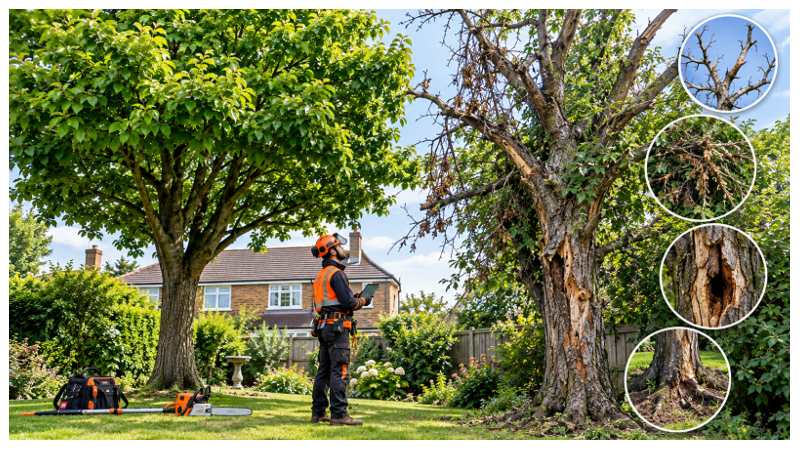
You poured a mug of tea, stepped into your garden to admire your oak, and heard a crack that made your stomach drop. Ten minutes later, half a mature canopy was resting on your garden shed.
Across the UK, thousands of homeowners experience this exact moment of sheer regret every year. Tree care looks deceptively simple until gravity decides otherwise.
But before you grab a ladder and make your own historic blunder, let’s look at the classic mistakes that cost British garden lovers a fortune.
1. You Waited Until It Became an Emergency
Most people ignore trees until a heavy autumn storm turns a gentle sway into a terrifying creak. Waiting for branches to crash onto the patio guarantees higher bills and massive stress.
Trees usually display clear warnings long before they fall over. Fungal brackets around the base, early leaf loss, and dead limbs high up in the crown are urgent signs that demand attention.
A routine visit keeps small health issues from turning into expensive insurance claims and spares you the middle-of-the-night panic.
2. You Topped It Because It Was Blocking the Light
Lopping the entire head off a tree seems like an easy way to let sunshine into your kitchen. In reality, this harsh cutting technique creates a hideous stumpy mess and weakens the trunk.
Topping triggers a desperate surge of weak shoots that grow rapidly toward the sky. These flimsy branches snap easily in high winds, creating a perpetual hazard right above your lawn.
The sudden loss of foliage can also starve the root system and leave large open wounds. Fungi enter these exposed cuts quickly, causing internal decay that destroys the tree from the inside out.
3. You Went With the Cheapest Quote
A knock on the door from someone with a chainsaw in their van, offering bargain prices, sounds tempting. Unfortunately, cheap work almost always leads to damaged fences, ruined gardens, and dangerous cuts.
Unqualified workers often lack insurance, leaving you fully responsible when a heavy limb smashes through the neighbour’s windows. They rarely clean up properly, leaving piles of heavy timber behind.
Proper tree work requires technical rigging skills, specialised safety equipment, and extensive biological knowledge. Saving fifty pounds on the quote often results in thousands of pounds’ worth of property repairs.
4. You Forgot About the Hidden Half Underneath
We tend to focus on the leafy canopy and forget that most of the root system sits in the top half-metre of soil, spreading well beyond the branches above. Harming the root zone causes severe decline that takes years to show up above ground.
Compacting the soil with heavy machinery or building a patio too close to the trunk will starve the roots of vital oxygen. Paving right up to the base stops rainwater from reaching the feeding roots.
Severing major structural roots during garden renovations weakens the tree’s physical anchor. A sudden burst of storm weather can easily tip an unbalanced, root-damaged tree directly onto your property.
5. You Cut First and Checked the Paperwork Never
Few feelings match the sheer dread of receiving an official council letter after removing a tree on your own land. Felling a protected tree without permission leads to eye-watering fines across the country.
Many trees across the UK fall under Tree Preservation Orders or sit inside designated conservation areas. Local councils strictly enforce these protections to preserve environmental heritage and green canopies.
Applying to the council for consent takes a few weeks, and conservation area work needs six weeks’ written notice, but skipping either step risks criminal prosecution. So, it’s always worth checking local authority maps before making a single cut with a hand saw.
6. You Booked the Work in June
Spring and early summer bring glorious weather for outdoor projects, making it tempting to schedule major pruning. However, cutting branches during peak nesting season breaks UK wildlife law.
The Wildlife and Countryside Act protects nesting birds from deliberate disturbance or habitat destruction. Heavy chainsaw work in active canopies frequently destroys hidden nests, eggs, and young chicks.
Schedule substantial crown reductions for late autumn or winter, once the trees are dormant and the year’s chicks have fledged. This timing minimises stress on your tree and keeps you and your garden fully compliant.
7. You Planted Something That Outgrew Your Expectations
That cute little sapling in a garden centre tub looks perfectly unassuming beside the flower border. Fast forward ten years, and its roots are lifting your driveway while branches block the solar panels.
People regularly buy vigorous species like leylandii or weeping willows without considering mature heights. These giant specimens quickly overpower modest suburban plots, blocking light and draining groundwater.
Research mature height and root spread before digging a hole in your lawn. Choosing compact native species prevents decades of costly pruning battles and neighbour disputes over boundary lines.
8. Getting It Right From Here
Every single disaster mentioned above stems from doing things in the wrong order. You can easily protect your landscape and wallet by building four simple habits into your annual routine.
Look up at your tree canopy every spring and autumn to check for deadwood, fungal growth, or sudden lean. Then, run a quick check on your local council website to confirm protection status before planning any major work.
You should also schedule heavy maintenance outside the main bird nesting period from March to August to protect local wildlife.
Finally, never accept an estimate from a contractor unless it clearly specifies the exact anatomical cuts and debris clearance.
When the workload expands beyond a basic stepladder and a pruning saw, calling in arborist services UK–wide covers professional survey, climbing, and complete clear-up in one visit, with paperwork and wildlife checks included.
Taking expert advice early ensures your trees remain healthy, stable, and visually stunning for decades to come. That simple investment pays off immediately in garden safety and long-term peace of mind.
Conclusion
You now belong to that elite, savvy group of homeowners who inspect their trees before picking up a saw. So, grab your mug, head back outside, and enjoy your garden with total peace of mind, and tea that stays hot this time.