
Busy spaces take a beating every single day. Hallways, kitchens, entrances, and shop floors see constant footfall. Each step brings in dirt, moisture, and risk. Smart design reduces that risk before an incident happens.
Good planning protects people first. It also keeps cleaning costs under control. This guide explains how to design high-traffic areas for better safety and cleanliness. You will find practical advice on layout, flooring, lighting and upkeep. Every tip suits restaurants, offices, schools and retail units.
Why High-Traffic Areas Need Special Attention
Heavy footfall changes how a space behaves. Surfaces wear down faster. Spills spread wider. Germs travel on shoes, trolleys and hands.
The Real Cost of Poor Design
Slips and trips remain a leading cause of workplace injury. Each incident brings medical bills, downtime and possible claims. Dirty floors also damage your reputation. Customers notice grime within seconds. Staff notice it too, and morale drops. Repeated repairs add further cost over time.
Safety and Cleanliness Work Together
A clean floor is usually a safer floor. Wipe up a spill fast, and nobody slips on it. Hazards are also easier to spot in a tidy room. A simple layout takes less time to clean, which keeps germs down. Plan for both goals together.
Start With a Smart Layout
Map the Footfall
Walk the space during peak hours. Watch where people turn, queue, and stop. Mark the busiest routes on a simple plan. These routes need your strongest materials and clearest signage. Data beats guesswork every time.
Give People Room to Move
Tight routes lead to bumps and rushed steps, so give main paths as much width as you can. Separate delivery routes from customer routes where possible. Staff carrying hot food need extra room. Never stack boxes in walkways, even briefly. Clear sight lines at corners prevent collisions too.
Zone Wet and Dry Areas
Wet work deserves its own planning. Place sinks, dishwashers, and drink stations away from main routes. Entrances need a clear dry-off zone. That simple step keeps water out of the wider space. Good zoning also makes cleaning teams more efficient.
Choose the Right Flooring and Mats
Pick Slip-Resistant Surfaces
Flooring is your first line of defence. Look for proper slip-resistance ratings before you buy. Smooth tiles look smart but turn treacherous when wet. Textured finishes grip better under shoes. Always match the surface to the task performed there.
Why Kitchen and Restaurant Mats Matter
Commercial kitchens are among the toughest environments around. Grease, water, and spilled food hit the floor constantly. Kitchen and restaurant mats add grip and comfort exactly where staff need it. Quality restaurant mats also protect the floor beneath them. They cut fatigue during long standing shifts.
Match Mat Types to Zones
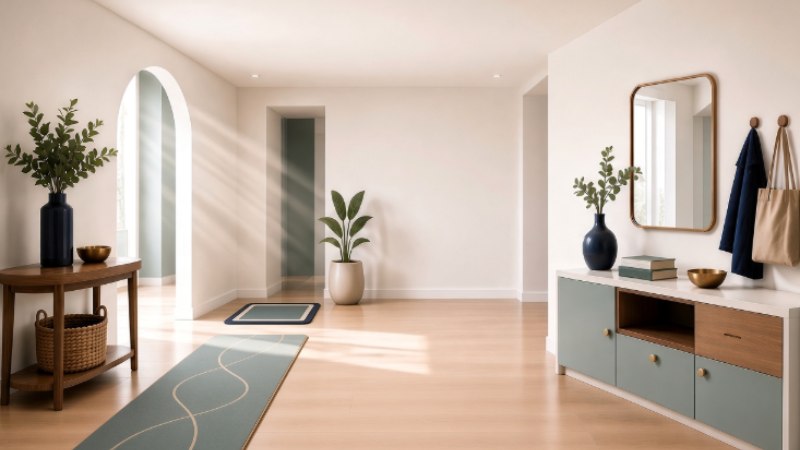
Different areas need different mats. Here are the main types to consider:
- Entrance mats catch grit and moisture at the door before it spreads.
- Anti-fatigue mats go where staff stand the longest, like prep stations and counters.
- Put drainage mats beside sinks and dishwashers to keep shoes out of puddles.
- Grease-resistant mats belong by fryers and hobs, where oily spills are common.
Choose by risk, not by price alone. Cheap options often fail early.
Keep Mats Safe and Clean
Edges must lie flat at all times, as curled corners cause nasty trips. Check mats daily for wear. Lift and clean beneath them weekly. If a mat is damaged, swap it out straight away.
Light and Control the Environment
Use Lighting Wisely
Good light reveals spills, steps and obstacles. Bright, even lighting works best in busy zones, with no dark corners or harsh glare. Check your emergency lighting on a regular basis. Stairwells and exits deserve extra attention.
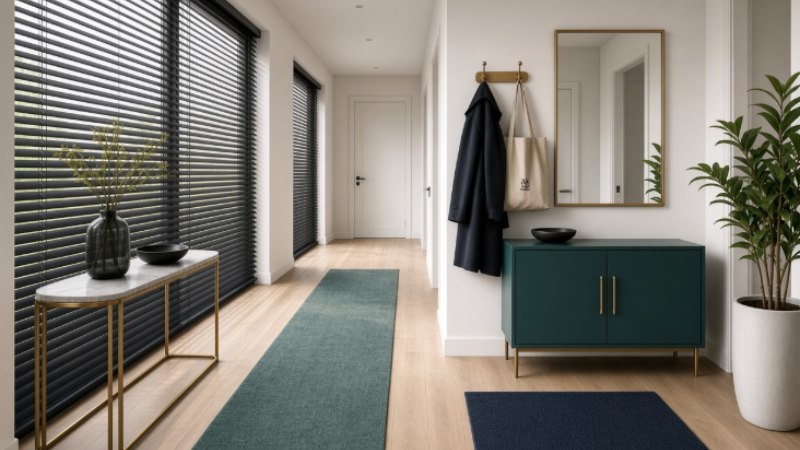
Control Glare With No Drill Blackout Blinds
Sunlight can create dangerous glare. Screens, counters, and polished floors all reflect it. No drill blackout blinds solve this without tools or damage. They fit inside the window recess within minutes. Many premises are rented, so no-drill solutions make real sense. Lumiglide no drill blackout blinds suit those spaces perfectly. Without drilling, there is no dust or mess. That matters in food areas and clinics. Total blackout also helps temperature control. Cooler rooms keep food fresher and staff more comfortable.
Design for Easy Cleaning
Choose Low-Maintenance Materials
Smooth, sealed surfaces clean faster. Wide grout lines collect dirt fast. Narrow joints or seamless floors are far easier to wipe. Coved skirting stops grime collecting at wall edges.
Put the Routine in Writing
A written cleaning plan keeps everyone on the same page. List tasks by hour, day and week, then give each one to a named person. Checklists keep standards steady during busy periods. Peak times need extra checks, not fewer.
Manage Spills and Hazards Fast
Train Every Team Member
Everyone should know the spill routine. Teach staff to block the area and call for help. Show them how to place signs correctly. Short refreshers keep habits sharp. New starters need training on day one.
Support Hygiene at Entrances and Exits
Stop Dirt at the Door
Most dirt arrives on shoes. Long entrance mats capture a large share of it, so aim for several steps of matting. Swap them out before they become saturated. In wet weather, a daily vacuum keeps them working well.
Make Clean Hands Easy
Put sanitiser stations at entrances and beside shared surfaces. People will only use them if they are stocked and easy to see. Foot-operated bins cut contact even further. In washrooms, touchless taps and dispensers do the same job.
Think About Every Visitor and Team Member
Design for All Abilities
A safe space has to work for everyone who uses it. Wheelchair users need smooth, flat transitions between surfaces. Contrasting floor edges help visually impaired visitors find their way. Every ramp needs handrails and a non-slip surface. Bevelled mat edges stop wheels and walking sticks from catching. Older customers and young children benefit from these details too.
Look After Tired Staff
Tired staff make more mistakes, so comfort is a safety issue. Anti-fatigue surfaces take pressure off feet and joints. Good shoes help as well. Regular breaks in calm, dim rooms restore energy. Blackout blinds can create that restful space.
Prepare for Seasonal Demand
Wet Weather Planning
Autumn and winter bring rain, mud, and leaves indoors. Add extra entrance matting from October. Increase cleaning frequency during storms. Keep spare mats ready for quick swaps. Dry mats work better than soaked ones.
Summer Sun and Heat
Bright summer light brings glare and heat. Block it early with blinds. No drill blackout blinds can be fitted in seconds when seasons change. Heat also makes spills dry sticky, so clean fast.
Measure, Review and Improve
Track Incidents and Near Misses
Record every slip, trip, and complaint. Patterns point to weak spots. Digital logs make trends easy to see. Review the data monthly. Fix the cause, not just the symptom.
Final Thoughts: Build a Safer, Cleaner Space
Great design blends layout, flooring, light, and routine. So, start with the busiest routes and work outward. Invest in grip, drainage, and easy cleaning. Add kitchen and restaurant mats where wet work happens. Control glare with Lumiglide no drill blackout blinds where sunlight causes trouble. Look back over the results each month and adjust where needed. Small fixes add up quickly. Visitors and staff will see the difference.