
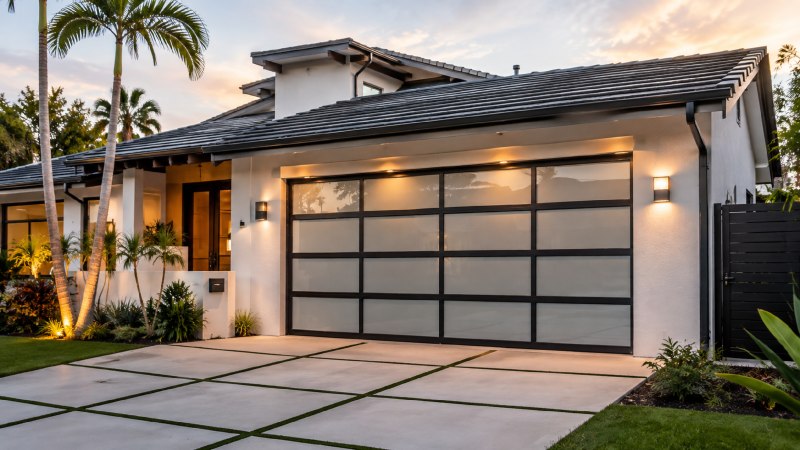
A garage door is one of the largest moving systems in a home. It also influences security, energy efficiency, daily convenience, and curb appeal. While some problems can be resolved with a straightforward repair, an aging or frequently malfunctioning door may eventually need to be replaced.
For homeowners considering garage door installation in Costa Mesa, understanding the available options and choosing a qualified installation company can make the process significantly easier.
Signs a Garage Door May Need to Be Replaced
Garage doors experience considerable wear over time. Springs, rollers, tracks, hinges, cables, and opener components must work together every time the door opens or closes. As these parts age, homeowners may begin noticing warning signs such as:
- Frequent breakdowns or recurring repair needs
- Excessive shaking, grinding, or scraping during operation
- Visible cracks, dents, rust, or panel deterioration
- A door that closes unevenly or comes off its tracks
- Poor insulation or noticeable temperature changes in the garage
- Outdated safety features
- A design that no longer complements the home
- Replacement components that are becoming difficult to locate
One isolated mechanical problem does not necessarily justify replacing the entire system. However, when repair costs continue to accumulate or the door has sustained extensive damage, replacement may provide better long-term value.
Why Garage Door Selection Matters in Costa Mesa
Costa Mesa includes an assortment of architectural styles, from established homes in Mesa Verde and College Park to contemporary properties near Eastside Costa Mesa and South Coast Metro. The right garage door should complement the architecture rather than appearing disconnected from it.
Local environmental conditions also deserve consideration. Coastal air, sunlight, moisture, and temperature changes can gradually affect garage door finishes and hardware. Homeowners should evaluate materials based on appearance, maintenance requirements, durability, insulation, and resistance to corrosion.
Common garage door materials include:
Steel
Steel doors are widely used because they are durable, versatile, and available in numerous designs. Factory-applied coatings can help protect the door from moisture and everyday exposure. Insulated steel doors can also support better temperature control.
Aluminum and Glass
Aluminum-and-glass doors provide a clean, contemporary appearance. They are often selected for modern homes or properties where natural light is a priority. Because aluminum resists rust, it can be a practical option in coastal environments.
Wood
Wood garage doors offer warmth and architectural character. They can be customized to suit traditional, craftsman, Mediterranean, or contemporary homes. However, wood generally requires more maintenance to protect it from sunlight and moisture.
Composite Materials
Composite doors can recreate the appearance of wood while requiring less ongoing maintenance. Their durability and design flexibility make them attractive to homeowners seeking a balance between aesthetics and performance.
The Value of Garage Door Insulation
An insulated garage door can be beneficial even in Southern California’s moderate climate. Insulation may help stabilize the temperature inside an attached garage, reduce outside noise, and add structural strength to the door.
This can be especially important when the garage shares walls with bedrooms, offices, or other living spaces. Homeowners who use the garage as a workshop, fitness area, or storage space may also appreciate improved temperature control.
Insulation performance is commonly measured using an R-value. A higher R-value generally indicates greater resistance to heat transfer. The appropriate level will depend on the garage’s construction, orientation, and intended use.
What Professional Installation Should Include
Garage door installation involves more than placing new panels into an existing opening. The system must be properly measured, balanced, secured, and tested.
A professional installation typically includes:
- Measuring the garage opening and checking available clearance
- Inspecting the framing and existing mounting surfaces
- Removing and disposing of the old door when applicable
- Installing the tracks, panels, springs, cables, rollers, and hardware
- Connecting or replacing the garage door opener
- Balancing and aligning the complete system
- Testing the safety-reversal mechanism and photoelectric sensors
- Explaining basic operation and maintenance requirements to the homeowner
Garage door springs and cables operate under substantial tension. Improper handling can cause serious injury or property damage, making installation a job best left to trained professionals.
Should the Garage Door Opener Be Replaced Too?
A new garage door does not always require a new opener, but the opener should be evaluated during the installation process. An older unit may lack the lifting capacity, compatibility, or safety features required for the new door.
Modern garage door openers may offer features such as:
- Smartphone control and activity notifications
- Battery backup
- Integrated LED lighting
- Rolling-code security technology
- Automatic closing schedules
- Camera or delivery-access integration
- Quieter belt-drive operation
Replacing the opener at the same time as the door can create a fully integrated system and prevent the need for another installation appointment shortly afterward.
How to Evaluate a Garage Door Installation Company
Homeowners should compare more than the initial estimate when selecting an installer. The quality of the workmanship affects how safely, quietly, and reliably the door will operate.
Before hiring a company, ask:
- Is the company properly licensed and insured?
- Does the estimate identify the door model, materials, insulation, hardware, and labor?
- Are removal and disposal of the existing door included?
- What manufacturer and workmanship warranties apply?
- Will the installer confirm that the opener is compatible with the new door?
- Are technicians trained to install and balance the complete system?
- Does the company provide ongoing repair and maintenance services?
- Are permits or neighborhood requirements applicable to the project?
A reputable provider should explain the available options clearly and avoid pressuring homeowners into unnecessary upgrades.
Preparing for Installation Day
Before the installation team arrives, vehicles should be moved out of the garage and away from the driveway. Homeowners should also clear stored items from the area surrounding the tracks, opener, and garage door opening.
Children and pets should remain away from the work area. If the installer needs access to an electrical panel, side entrance, or remote controls, those items should be made readily available.
Once installation is complete, homeowners should receive operating instructions, warranty information, and guidance about basic maintenance. This is also the right time to test all remotes, wall controls, safety sensors, and connected applications.
Making a Long-Term Investment in the Home
A new garage door can improve more than the appearance of a property. It may strengthen security, reduce operational noise, improve everyday reliability, and better protect vehicles and stored belongings.
The most successful garage door installation in Costa Mesa starts with selecting a door that fits the home, local environment, and household’s practical needs. By comparing materials, insulation, safety features, warranties, and installer qualifications, homeowners can make an informed investment that delivers value for years to come.