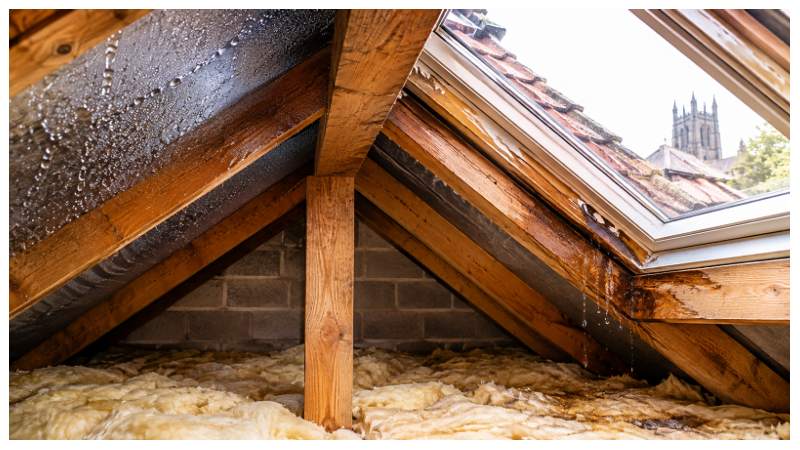

The UK recorded 33 days above 30°C this summer. On the night into 16 November, the temperature at Tulloch Bridge in Scotland fell to −7.7°C. In winter, heating has to replace the heat that escapes through the building. In summer, a west-facing bedroom can still be uncomfortably warm by bedtime. Both problems deserve attention while the walls, roof and windows are still on the drawing board.
What kind of winter is ahead
In its 10 November briefing, the Met Office put the chance of near-average UK temperatures at 55%, mild at 30% and cold at 15%. The outlook covers November to January as a whole, a period that can still include sharp frosts.
NOAA’s 12 November update put the chance of a strong to very strong El Niño through January to March 2027 at above 79%. That probability applies to conditions in the tropical Pacific. For the UK, the Met Office says El Niño can favour a milder, wetter start to winter and raise the chances of colder spells later on. Over the longer term, UK winters are projected to become milder and wetter on average, while summers get hotter and are more likely to be dry. Cold winters can still occur.
Where insulation earns its keep
At the end of 2025, the Department for Energy Security and Net Zero estimated that around five million homes in Great Britain had cavity walls without cavity wall insulation. About 3.7 million had standard cavities classed as relatively straightforward to treat. The wall construction and condition help determine which insulation approach suits each job.
Where insulation panels are specified, follow the insulation layer on the drawing. What happens where it meets the window reveal, the floor edge or the roof? Gaps can increase heat loss. England’s Approved Document L gives guidance on insulation continuity, airtightness and thermal bridging. That makes these junctions worth checking before they’re covered up.
Give July a place in the specification
Summer comfort also depends on how much sun comes through the glazing and how the building releases excess heat. In a west-facing room, shading can limit afternoon heat gain and ventilation can help remove heat when outdoor conditions allow. England’s Approved Document O addresses both in new residential buildings.
At the merchant counter, a useful first question is “What wall or roof build-up are you working with?” FENCYX publishes dimensions and thermal data for its ROCKAL 45 stone wool insulation panels so buyers can review them against the project specification.
Which detail is hardest to get right on your jobs? The window reveal, the floor edge or where the wall meets the roof?