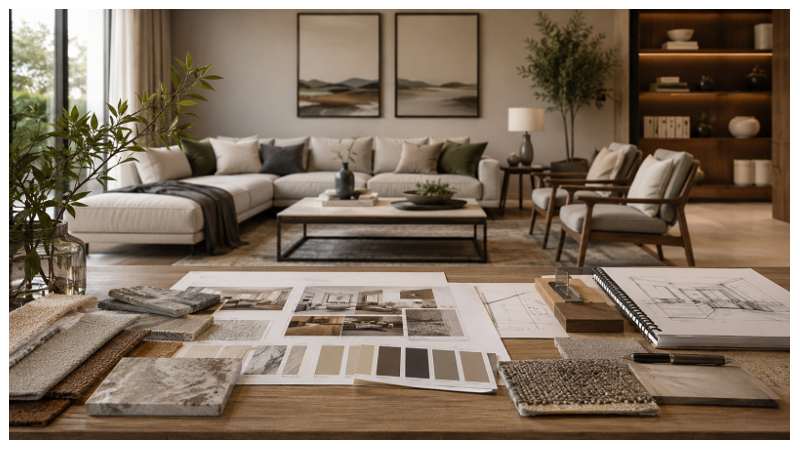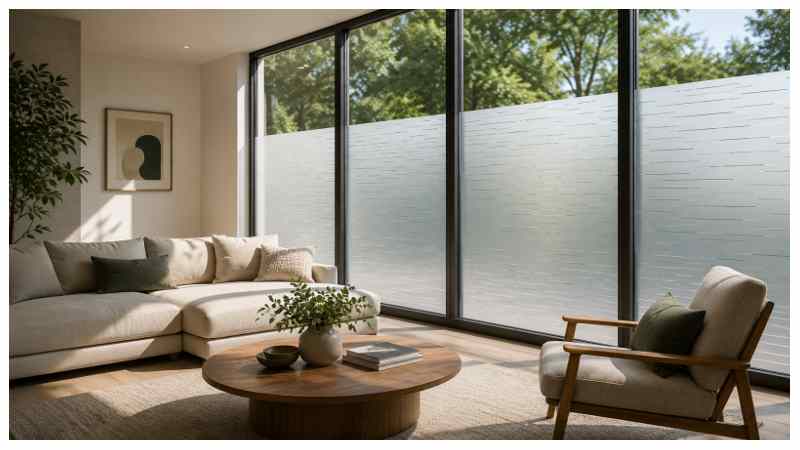
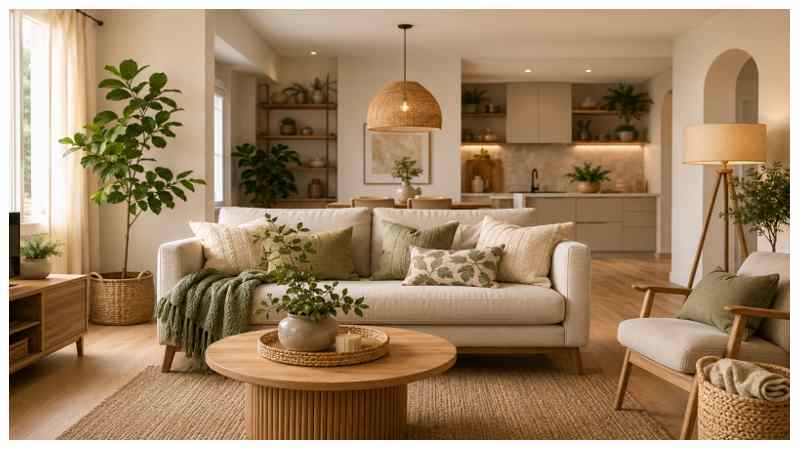
Creating a stylish and functional home begins with thoughtful interior design. TheHomeTrotters Blog Home Ideas: Interior Design Guide provides practical inspiration to help homeowners transform ordinary spaces into comfortable, modern, and inviting environments. Whether you’re decorating a new home or refreshing an existing one, the right design choices can dramatically improve both appearance and everyday living.
Interior design is more than selecting attractive furniture or decorating walls. It involves combining colors, lighting, furniture, textures, and accessories into a balanced space that reflects your personality while supporting your lifestyle. Even simple updates, such as changing the layout or introducing natural elements, can give a room a completely fresh look.
TheHomeTrotters encourages homeowners to create interiors that are timeless, practical, and welcoming without requiring expensive renovations.
What Interior Design Means in Modern Homes
Modern interior design focuses on creating spaces that are both beautiful and highly functional. Every decorative element should serve a purpose while contributing to the room’s overall harmony.
Today’s homes often feature:
- Open floor plans
- Neutral color palettes
- Comfortable furniture
- Smart storage solutions
- Natural lighting
- Minimal clutter
Rather than filling rooms with unnecessary decorations, modern interiors emphasize quality, simplicity, and efficient use of space.
Why Thoughtful Home Design Matters Today
Homes today are designed to support productivity, relaxation, and social gatherings all in one place. They now serve as offices, entertainment areas, study spaces, and relaxing retreats.
A thoughtfully designed home offers several advantages:
- Improved daily comfort
- Better organization
- Increased functionality
- Reduced visual clutter
- A welcoming atmosphere
When each room is carefully planned, everyday routines become easier while the entire home feels more relaxing and enjoyable.
Overview of TheHomeTrotters Home Ideas
TheHomeTrotters believes great design should be accessible to everyone. Instead of focusing only on luxury interiors, the approach emphasizes practical improvements that suit homes of every size and budget.
Key design principles include:
- Clean and elegant layouts
- Comfortable living spaces
- Smart organization
- Timeless decorating styles
- Affordable decorating solutions
These ideas help homeowners build interiors that remain attractive and functional for many years.
Understanding Modern Interior Design
Modern interior design combines visual appeal with everyday practicality. Every decorative decision should contribute to a comfortable lifestyle while maintaining a clean and organized appearance.
Successful interiors balance furniture, lighting, colors, and accessories without making rooms feel crowded.
Key Principles of Modern Interiors
Several design principles define modern homes.
These include:
- Simplicity
- Clean architectural lines
- Functional furniture
- Balanced color schemes
- Open spaces
- Natural materials
Following these principles creates interiors that feel calm, spacious, and welcoming.
Balancing Beauty and Functionality
Beautiful rooms should also support daily living.
Choose furniture that is comfortable, durable, and appropriately sized for the room. Decorative accessories should enhance the design without creating unnecessary clutter.
A functional home allows family members to move comfortably while enjoying an attractive environment.
Creating Comfortable and Practical Living Spaces
Comfort begins with thoughtful planning.
Soft lighting, supportive seating, quality textiles, and efficient storage all contribute to rooms that are pleasant to use every day.
Practical layouts also improve movement throughout the home while making spaces feel larger and more organized.
TheHomeTrotters Approach to Home Styling
TheHomeTrotters promotes decorating ideas that combine elegance with simplicity. Rather than constantly following trends, the goal is to create timeless interiors that remain stylish for years.
Small improvements often make a greater impact than expensive renovations when planned carefully.
Focus on Simplicity and Elegance
Simple interiors create lasting appeal.
Neutral backgrounds, uncluttered layouts, and carefully selected decorative pieces establish a sophisticated atmosphere without overwhelming the room.
Choosing fewer, higher-quality accessories often creates a stronger visual impression than filling every available surface.
Decorating for Homes of Every Size
Every home can become stylish regardless of its size.
Apartments benefit from multifunctional furniture and clever storage, while larger homes can emphasize spacious layouts and coordinated decorative themes.
Successful decorating focuses on maximizing each room rather than comparing square footage.
Affordable and Practical Design Solutions
Beautiful interiors do not always require expensive purchases.
Simple improvements include:
- Painting walls
- Updating curtains
- Adding indoor plants
- Replacing decorative cushions
- Rearranging furniture
- Installing floating shelves
These budget-friendly upgrades refresh interiors while improving functionality.
Planning Your Interior Design Project
Careful planning helps create a cohesive and balanced home.
Before purchasing furniture or accessories, evaluate your existing space and identify areas needing improvement.
Setting Home Design Goals
Begin by asking yourself what you hope to achieve.
Your goals may include:
- Creating a brighter home
- Improving organization
- Adding storage
- Modernizing outdated rooms
- Increasing comfort
- Making small spaces appear larger
Clear objectives simplify decorating decisions.
Understanding Your Home’s Layout
Every room has unique dimensions and traffic patterns.
Measure available space before selecting furniture to ensure comfortable movement throughout the home.
Proper planning prevents overcrowding while maintaining a balanced appearance.
Creating a Realistic Decorating Budget
A decorating budget helps prioritize purchases while preventing unnecessary spending.
Focus first on essential improvements such as:
- Paint
- Lighting
- Furniture
- Storage
Decorative accessories can then complete the overall design without exceeding your budget.
Choosing the Perfect Color Palette
Color influences the atmosphere, comfort, and visual appeal of every room.
A well-planned palette creates harmony throughout the home.
Neutral Colors for Timeless Interiors
Neutral shades remain popular because they are versatile and never go out of style.
Excellent choices include:
- White
- Cream
- Beige
- Light gray
- Warm taupe
These colors brighten rooms while providing an ideal background for decorative accents.
Using Accent Colors Effectively
Accent colors introduce personality without dominating the space.
Popular accent choices include:
- Deep green
- Navy blue
- Terracotta
- Mustard yellow
- Charcoal gray
Use these colors in cushions, artwork, rugs, throws, or decorative accessories for balanced visual interest.
Creating Mood Through Color Combinations
Different color combinations influence how a room feels.
Soft neutral tones encourage relaxation, while warmer colors create cozy and inviting spaces. Carefully balanced palettes help maintain harmony throughout your home.
Furniture Selection and Room Layout
Furniture serves as the foundation of every well-designed interior.
Choosing appropriate pieces and arranging them thoughtfully improves both appearance and functionality.
Choosing Furniture That Fits Your Space
Select furniture based on your room’s dimensions rather than appearance alone.
Oversized pieces make compact rooms feel crowded, while furniture that is too small can leave larger spaces looking empty.
Balanced proportions create more comfortable interiors.
Arranging Furniture for Better Flow
Furniture should support natural movement throughout the room.
Leave comfortable walking paths between seating areas, avoid blocking windows, and arrange furniture to encourage conversation and relaxation.
A thoughtful layout makes every room feel more spacious and welcoming.
Balancing Comfort with Modern Style
Modern interiors should never sacrifice comfort for appearance.
Choose supportive sofas, durable dining chairs, practical tables, and quality materials that combine everyday usability with attractive design.
Living Room Interior Design Ideas
The living room is where family members gather, guests are welcomed, and everyday relaxation takes place. A well-designed living room should feel comfortable, organized, and visually balanced. Thoughtful furniture placement, coordinated colors, and carefully selected accessories can transform this space into the heart of your home.
Creating a Welcoming Atmosphere
A welcoming living room begins with comfort. Choose soft furnishings, warm lighting, and a balanced color palette that encourages relaxation. Layering rugs, curtains, and cushions adds warmth while making the room feel complete.
Natural light also plays an important role. Keep windows as open as possible during the day and use lightweight curtains to brighten the space.
Stylish Seating Arrangements
Arrange seating so family members and guests can easily interact. Position sofas and chairs around a coffee table or central focal point while leaving enough space for comfortable movement.
In larger rooms, use area rugs to define different seating zones and create visual structure.
Decorative Focal Points
Every living room benefits from one eye-catching feature.
Popular focal points include:
- Large artwork
- Statement lighting
- Decorative fireplace
- Feature wall
- Stylish television unit
- Indoor plant display
Keep surrounding décor simple so the focal point stands out naturally.
Bedroom Interior Design Tips
A bedroom should promote rest, comfort, and relaxation. Thoughtful decoration helps create a peaceful environment that supports quality sleep while maintaining an attractive appearance.
Designing a Peaceful Bedroom
Choose calming colors such as white, beige, light gray, or soft blue. These shades encourage relaxation and create a soothing atmosphere.
Avoid overcrowding the room with unnecessary furniture or decorations.
Bedding and Textile Selection
Layer different fabrics to make the bedroom feel warm and inviting.
Consider adding:
- Soft cotton bedding
- Decorative cushions
- Cozy blankets
- Area rugs
- Blackout curtains
High-quality textiles improve both comfort and visual appeal.
Smart Storage Solutions
Bedrooms remain more relaxing when clutter is minimized.
Useful storage ideas include:
- Under-bed storage boxes
- Built-in wardrobes
- Floating shelves
- Storage benches
- Bedside cabinets with drawers
Well-organized storage keeps everyday essentials easily accessible while maintaining a tidy appearance.
Kitchen Interior Design Ideas
Modern kitchens should combine efficiency with attractive design. Functional layouts and organized storage make cooking easier while creating a welcoming space for family meals.
Functional Kitchen Layouts
Arrange the sink, refrigerator, and cooking area to reduce unnecessary movement during meal preparation.
Maintain clear countertops to improve both efficiency and appearance.
Modern Cabinet and Storage Ideas
Well-designed storage makes kitchens more practical.
Popular options include:
- Pull-out pantry drawers
- Deep storage cabinets
- Vertical dividers
- Corner storage systems
- Open shelving
These solutions maximize available space while improving organization.
Decorative Kitchen Accessories
Small decorative details personalize the kitchen without reducing functionality.
Ideas include:
- Indoor herb plants
- Decorative bowls
- Wooden cutting boards
- Glass storage jars
- Stylish pendant lighting
Simple accessories add warmth and character.
Bathroom Interior Inspiration
Bathrooms deserve careful attention even though they are often smaller than other rooms.
Modern decoration transforms ordinary bathrooms into relaxing spaces that feel fresh and inviting.
Creating a Spa-Like Atmosphere
Choose soft lighting, calming colors, natural textures, and elegant accessories to create a peaceful setting.
Rolled towels, scented candles, and wooden accents help establish a spa-inspired environment.
Stylish Storage Solutions
Floating shelves, mirrored cabinets, woven baskets, and drawer organizers improve storage without occupying unnecessary floor space.
Simple Decorative Upgrades
Affordable improvements include:
- Modern mirrors
- Decorative soap dispensers
- Small indoor plants
- Coordinated towels
- Minimal wall art
These finishing touches instantly refresh the room.
Lighting Ideas for Modern Interiors
Lighting influences both appearance and functionality throughout the home.
A thoughtful lighting plan enhances colors, highlights decorative features, and creates comfortable living spaces.
Importance of Natural Lighting
Natural daylight makes interiors feel brighter, healthier, and more spacious.
Increase daylight by:
- Keeping windows clear
- Using sheer curtains
- Placing mirrors opposite windows
- Choosing light wall colors
These techniques maximize available sunlight.
Layered Lighting Techniques
Successful interiors combine several lighting sources.
Ambient Lighting
Provides overall illumination throughout the room.
Task Lighting
Supplies focused brightness for reading, cooking, working, or studying.
Accent Lighting
Highlights artwork, shelves, plants, or architectural features while adding depth to the room.
Layering these lighting types creates flexibility for different activities.
Modern Lighting Fixtures and Trends
Popular lighting choices include:
- Pendant lights
- Wall sconces
- Floor lamps
- Table lamps
- Recessed ceiling lights
- LED strip lighting
Choose fixtures that complement your overall decorating style.
Wall Decoration and Decorative Features
Walls provide opportunities to introduce personality and artistic expression.
Artwork and Framed Prints
Large artwork or carefully arranged framed prints bring color, texture, and individuality into every room.
Select artwork that complements your furniture and color palette.
Decorative Mirrors and Feature Walls
Mirrors reflect light while making interiors appear larger.
Feature walls painted in contrasting colors or finished with textured materials create visual interest without overwhelming the room.
Styling Shelves and Display Spaces
Arrange decorative objects carefully rather than overcrowding shelves.
Display:
- Books
- Plants
- Ceramics
- Candles
- Picture frames
- Sculptures
Leave empty space between items to maintain balance.
Using Textures and Materials
Textures make interiors feel layered, comfortable, and visually interesting.
Mixing Textures for Visual Interest
Blend different materials throughout the room.
Examples include:
- Wood
- Glass
- Metal
- Cotton
- Linen
- Leather
The combination creates richer, more inviting interiors.
Natural Materials in Modern Homes
Natural materials remain timeless.
Popular choices include:
- Oak wood
- Stone
- Bamboo
- Marble
- Jute
- Rattan
These finishes add warmth while complementing modern design.
Creating Warmth Through Layered Finishes
Soft rugs, knitted throws, woven baskets, and textured cushions add comfort while preventing interiors from feeling plain.
Indoor Plants and Natural Decor
Indoor plants introduce freshness, color, and natural beauty into modern homes.
Benefits of Indoor Plants
Houseplants offer several decorating advantages.
They:
- Improve visual appeal
- Create relaxing environments
- Introduce natural color
- Complement modern interiors
Best Plants for Home Interiors
Popular low-maintenance options include:
- Snake Plant
- Pothos
- Monstera
- Peace Lily
- ZZ Plant
- Spider Plant
These varieties thrive indoors with minimal care.
Combining Greenery with Home Styling
Position plants beside windows, sofas, bookshelves, or entryways.
Mix different heights and leaf shapes to create attractive displays without overcrowding the room.
Small Space Interior Design Tips
Small homes can feel spacious with thoughtful planning.
Making Rooms Feel Larger
Simple strategies include:
- Choosing light paint colors
- Using mirrors
- Reducing unnecessary furniture
- Allowing natural light inside
These methods visually expand compact spaces.
Space-Saving Furniture Ideas
Furniture that serves multiple purposes is ideal for smaller homes.
Examples include:
- Sofa beds
- Storage ottomans
- Folding tables
- Wall-mounted desks
- Extendable dining tables
These pieces maximize functionality without sacrificing style.
Smart Storage Techniques
Take advantage of vertical space using tall shelving, built-in cabinets, and hidden storage compartments to reduce clutter.
Smart Home Organization Ideas
Organization keeps interiors attractive and functional.
Hidden Storage Solutions
Furniture with concealed compartments helps maintain tidy rooms while storing everyday items out of sight.
Open Shelving Concepts
Open shelves combine storage with decoration.
Arrange objects neatly and avoid displaying too many accessories at once.
Decluttering for a Cleaner Home
Regularly remove unused belongings and organize frequently used items into designated spaces.
A clutter-free home feels larger, calmer, and easier to maintain.
Budget-Friendly Interior Design Tips
Creating a beautiful home does not always require a large budget. Smart planning, creative ideas, and thoughtful purchases can refresh your interior while keeping costs under control.
Affordable Decorating Ideas
Small changes often make the biggest difference.
Affordable upgrades include:
- Painting walls
- Rearranging furniture
- Replacing cushions
- Hanging new artwork
- Adding indoor plants
- Updating curtains
These improvements instantly enhance your home’s appearance without major expenses.
DIY Home Improvement Projects
DIY projects allow you to personalize your home while saving money.
Popular ideas include:
- Painting old furniture
- Building floating shelves
- Creating wall art
- Decorating plant pots
- Making decorative trays
Homemade projects add unique character to every room.
Smart Shopping Strategies
Spend wisely by investing in timeless furniture instead of short-lived trends.
Helpful shopping tips include:
- Compare prices before purchasing.
- Shop during seasonal sales.
- Choose quality over quantity.
- Buy versatile decorative accessories.
- Repurpose existing furniture whenever possible.
Thoughtful shopping creates long-lasting value.
Seasonal Interior Design Ideas
Refreshing your home throughout the year keeps interiors feeling lively and inviting.
Refreshing Interiors Throughout the Year
Changing decorative accessories with the seasons brings variety without requiring complete room makeovers.
Simple updates create a fresh atmosphere every few months.
Seasonal Colors and Accessories
Each season inspires different decorating styles.
Spring and summer often feature:
- Fresh flowers
- Bright cushions
- Lightweight fabrics
- Soft pastel colors
Autumn and winter introduce:
- Warm blankets
- Earth-tone accessories
- Cozy rugs
- Rich wooden accents
Easy Decorative Updates for Every Season
Affordable seasonal changes include:
- New table centerpieces
- Decorative candles
- Seasonal wreaths
- Fresh indoor plants
- Decorative throws
These updates maintain an attractive home throughout the year.
Modern Interior Design Trends
Interior design continues to evolve while emphasizing comfort and functionality.
Minimalist Home Styling
Minimalism focuses on clean layouts, uncluttered rooms, and carefully selected decorative pieces.
This style creates peaceful living environments that remain timeless.
Sustainable and Eco-Friendly Decor
Many homeowners now choose environmentally friendly decorating materials.
Popular options include:
- Recycled wood
- Bamboo furniture
- Organic fabrics
- Energy-efficient lighting
- Reusable decorative accessories
Eco-friendly choices benefit both your home and the environment.
Multifunctional Furniture Trends
Modern furniture often performs multiple functions.
Examples include:
- Sofa beds
- Storage benches
- Folding dining tables
- Wall-mounted desks
- Modular shelving
These solutions maximize space while improving functionality.
Natural Materials and Finishes
Wood, stone, linen, rattan, and woven fibers continue to dominate modern interior design because they create warmth and timeless elegance.
Common Interior Design Mistakes to Avoid
Avoiding common decorating mistakes helps create more balanced interiors.
Overcrowding Rooms with Furniture
Too much furniture reduces comfort and makes rooms appear smaller.
Leave sufficient open space for movement and visual balance.
Poor Color Coordination
Using too many unrelated colors creates visual confusion.
Choose one primary color palette and add only a few accent shades.
Ignoring Lighting and Functionality
Even attractive rooms become uncomfortable if lighting is inadequate.
Always combine natural light with ambient, task, and accent lighting.
Decorating Without a Clear Plan
Purchasing furniture or accessories without planning often leads to inconsistent designs and unnecessary expenses.
Create a decorating strategy before beginning any project.
Practical Interior Design Habits
Beautiful homes require regular maintenance.
Keeping Interiors Clean and Organized
Cleaning frequently preserves furniture, flooring, and decorative accessories while maintaining a welcoming environment.
Updating Decor Gradually
Replace accessories over time rather than redesigning every room at once.
Small improvements often create lasting results.
Maintaining a Timeless Decorating Style
Classic furniture, neutral colors, and quality materials remain attractive despite changing trends.
Timeless interiors require fewer updates and provide long-term value.
Benefits of Good Interior Design
Thoughtful interior design improves daily life in many ways.
Improving Comfort and Functionality
Efficient layouts and practical furniture make everyday activities easier and more enjoyable.
Enhancing Home Appearance
Balanced colors, quality furnishings, and attractive decorative details create polished interiors.
Creating Relaxing Living Spaces
Well-designed homes promote relaxation while reducing visual clutter and stress.
Increasing Property Appeal
Beautiful interiors often increase a home’s value and leave a positive impression on visitors and future buyers.
Frequently Asked Questions (FAQ)
What are the best interior design tips for beginners?
Start with neutral colors, declutter each room, improve lighting, and choose furniture that fits your available space.
How can I decorate my home on a budget?
Paint walls, rearrange furniture, complete simple DIY projects, add indoor plants, and shop during seasonal sales.
Which colors work best in modern interiors?
White, beige, gray, cream, and soft earth tones remain timeless because they pair easily with many decorating styles.
Why is lighting important in interior design?
Lighting improves visibility, highlights decorative features, enhances colors, and creates a comfortable atmosphere throughout the home.
How does TheHomeTrotters inspire home decoration?
TheHomeTrotters shares practical decorating ideas that combine comfort, functionality, affordability, and timeless interior styling.
What is the biggest interior design mistake to avoid?
Overcrowding rooms with excessive furniture and decorative accessories is one of the most common mistakes because it reduces comfort and visual balance.
Conclusion
Final Thoughts on TheHomeTrotters Blog Home Ideas: Interior Design Guide
A thoughtfully designed home combines beauty, comfort, and functionality to create spaces that support everyday living. By choosing balanced colors, practical furniture, layered lighting, smart storage, and timeless decorative elements, you can transform any room into a welcoming environment.
Easy Ways to Upgrade Your Home’s Interior
Simple improvements can make a noticeable difference:
- Declutter regularly.
- Add natural light whenever possible.
- Introduce indoor plants.
- Refresh soft furnishings.
- Rearrange furniture for better flow.
- Use multifunctional storage solutions.
Creating Stylish, Comfortable, and Functional Living Spaces with TheHomeTrotters Inspiration
Following the ideas in TheHomeTrotters Blog Home Ideas: Interior Design Guide helps you create interiors that are elegant, practical, and enjoyable every day. By focusing on thoughtful planning, quality materials, and timeless decorating principles, you can build a home that reflects your personality while remaining comfortable and inviting for years to come.